Trading
Learn how to develop and implement a trading plan that consists of analyzing the markets, filtering for potential opportunities, assessing risks, executing trades, and evaluating results.

Looking to the Futures
Crude oil futures fell on Wednesday as the market digests mixed geopolitical news and EIA report.

Q3 Tech Earnings Preview: Can AI Save the Day?
Here's what to watch as the Magnificent Seven report earnings, from AI monetization and spending plans to headwinds from persistent inflation and rising Treasury yields.

Investors Play Defense While Volatility Stirs
Investors rotate to staples as volatility returns, cash attracts the biggest inflows since COVID, banks signal a sturdy economy, and crypto faces macro headwinds.

Weekly Trader's Outlook
Stocks are on track for weekly losses as concerns around the AI infrastructure buildout, rising borrowing costs and inflationary pressures weigh on investor sentiment.
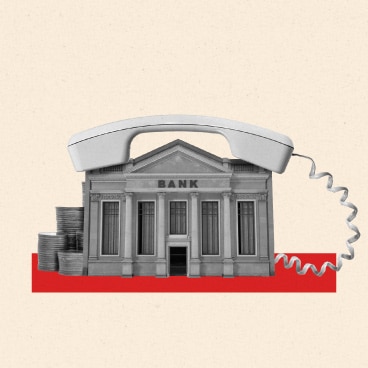
Q3 Bank Earnings: Muddier Waters to Navigate
Amid potentially slowing IPO demand and the Fed's first interest rate hike in three years, the outlook for this quarter's bank earnings enters a more challenging phase.

After-Hours Trading: What It Is, How It Works
What is after-hours trading? How does it work? Learn about the rules, risks, and benefits of extended-hours trading.
The MOVE Index and Why It Might Matter
The MOVE Index, a.k.a. the "VIX of bonds," helps investors track volatility across U.S. Treasuries. Sometimes, it can signal future action in equities.
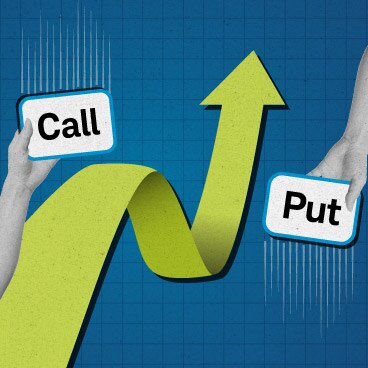
How Interest Rate Movements Affect Options Prices
Interest rates have an important effect on options prices, especially when rates are high. The options greek rho measures the impact of rates and can help when evaluating options.

Hard-Hitting 'Soft' Data: Why Surveys Matter
'Soft' reports like sentiment and confidence don't reflect 'hard' data like GDP or CPI. Still, they can affect markets and come with various strengths and weaknesses to consider.

ADRs Walk and Talk Like S&P 500 Stocks, but Aren't
Some of the largest tech stocks aren't traded on the S&P 500, though they trade on U.S. markets and affect Wall Street sentiment. ADRs are familiar stocks with unfamiliar pedigrees.