Stocks
Keep up to date on issues impacting stock investments.

Weekly Digest: Oil v. Stocks, Earnings, and RSI
A recap of some of this week's big stories covers a shift between oil and stock prices, the rising RSI, bank earnings, and the global impact of stifled oil production.

The Short Interest Monitor
This snapshot of stocks with elevated and rising short interest can help traders gauge market sentiment and positioning in key areas of the market.
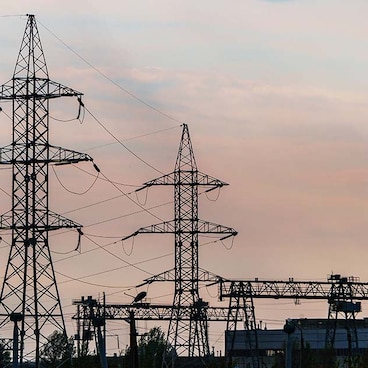
Power and AI Boost Infrastructure Investments
While infrastructure companies are not immune to a potential economic slowdown, they may provide a longer-term investment opportunity amid an uncertain macroeconomic backdrop.

How to Manage Stock Concentration Risk
A hot run for a handful of stocks can be boon to your portfolio—but also lead to overconcentration. Here's what to know about managing stock concentration risk.

Truce in Iran: Relief but Not Resolution
While the temporary truce is welcome news, critical questions are still unanswered and the possibility for a wide range of potential outcomes for the Iran War remains.

STAX Generational Trends: Gen Z Goes Conservative
Younger investors took a more conservative approach in March amid the Iran war, according to the Schwab Trading Activity Index™. Gen X and Baby Boomers were largely unfazed.

Gambler's Blues: Betting Isn't Investing
Gambling is rising in popularity, blurring lines between betting vs. investing. Misunderstanding the key differences can endanger financial security.

AI and Magnificent 7 Stocks With Liz Ann Sonders
Liz Ann Sonders, Chief Investment Strategist at Schwab, answers your questions related to AI and the Magnificent 7 stocks.

Smoke on the Water…Fire Under the Surface
Notwithstanding developments in the Iran conflict, there are important leadership shifts still at play within the equity market, which emphasize the importance of diversification.

The AI Glow-Up of Emerging Markets
Forget oil and copper—today’s "Emerging Markets" are being written in code, powered by elite semiconductors, and accelerated by the most aggressive AI buildout in history.