Stocks
Keep up to date on issues impacting stock investments.

After-Hours Trading: What It Is, How It Works
What is after-hours trading? How does it work? Learn about the rules, risks, and benefits of extended-hours trading.
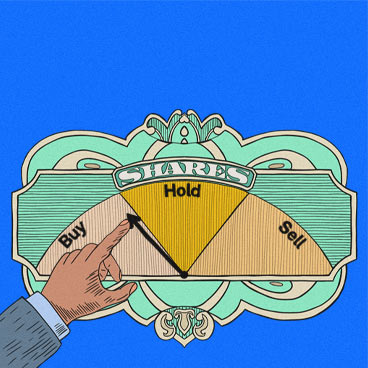
Buy, Hold, Sell: What Analyst Stock Ratings Mean
Research analysts assign buy, sell, hold, and other ratings to stocks in their research reports. Here's what these stock ratings mean, and how investors can use them.

Understanding Dividend Risk: Basics and Examples
When holding a short call option on a dividend-paying stock, traders should understand how dividend risk can affect options pricing, early assignment, and strategy outcomes.

The Large Trader Rule: What Clients Need to Know
The Large Trader Rule requires traders whose transactions hit certain thresholds to register with the SEC and meet ongoing compliance requirements. Here's how to remain compliant.

What Is Swing Trading and How Does It Work?
Swing trading seeks to profit from moves lasting from days to weeks by using technical analysis to spot price patterns. It requires skill, precise execution, and discipline.


STAX Generational Trends: Millennials Turn Bullish
The Schwab Trading Activity Index™ tracks client activity to gauge sentiment. Younger generations closed the sentiment gap in May, becoming more bullish as indexes hit highs.
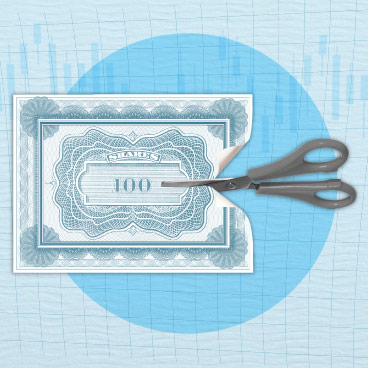
What Investors Should Know About Stock Splits
Learn how stock splits work, why companies use them, how they affect investors, and why markets sometimes react strongly to these mostly cosmetic corporate actions.

Short Selling: The Risks and Rewards
Make sure you understand the risks of short selling before taking the plunge.
Short Interest Monitor: TAP, FIG, AKAM
The Short Interest Monitor tracks stocks with elevated and rising short interest. Explore the latest edition to gauge investor sentiment and positioning in key areas of the market.