Technical Analysis
Interpret market data to identify patterns and trends to make more educated predictions.

Using the Gold/Silver Ratio to Measure Sentiment
The gold/silver ratio tends to increase amid market uncertainty. It is one of several indicators, like the VIX, that can gauge investor sentiment.

3 Smart Skills for Informed Trading
Trading involves multiple skills, and traders can potentially improve their trading acumen—and potentially their results—by following these tips that may be associated with more balanced returns.
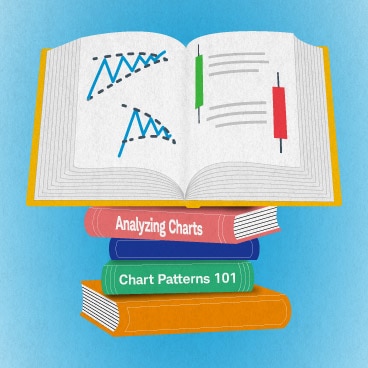
How to Read Stock Charts and Trading Patterns
Learn how to read stock charts and analyze trading chart patterns, including spotting trends, identifying support and resistance, and recognizing market reversals and breakout patterns.

The Average True Range Indicator and Volatility
The Average True Range indicator can help traders analyze volatility, place stops and limits, and manage position size.

Bollinger Bands: What They Are and How to Use Them
Bollinger Bands® help you identify sharp, short-term price movements and potential entry and exit points.

How to Pick Stocks: Fundamentals vs. Technicals
Find out how you can use these two stock-picking strategies together.

Using RSI to Assess Your Long-Term Holdings
Relative strength index is often used by traders to determine when to buy or sell a stock. Here's how long-term investors can put it to work in their own portfolios.

The Ins and Outs of a Swing Trade
Swing traders look to capture profits from short-term swings within longer-term up- or downtrends. Here's a look at some swing trading basics.

Time Travel: Choosing Stock Chart Time Frames
Long-term investors tend to focus on daily stock charts to help with decisions, while active traders often focus on more detailed charts. Why not try both?

Technical Indicators: 3 Trading Traps to Avoid
Traders use a stock's price patterns to help identify entry and exit points, but those patterns can be misleading. Here's how to avoid three common technical trading traps.